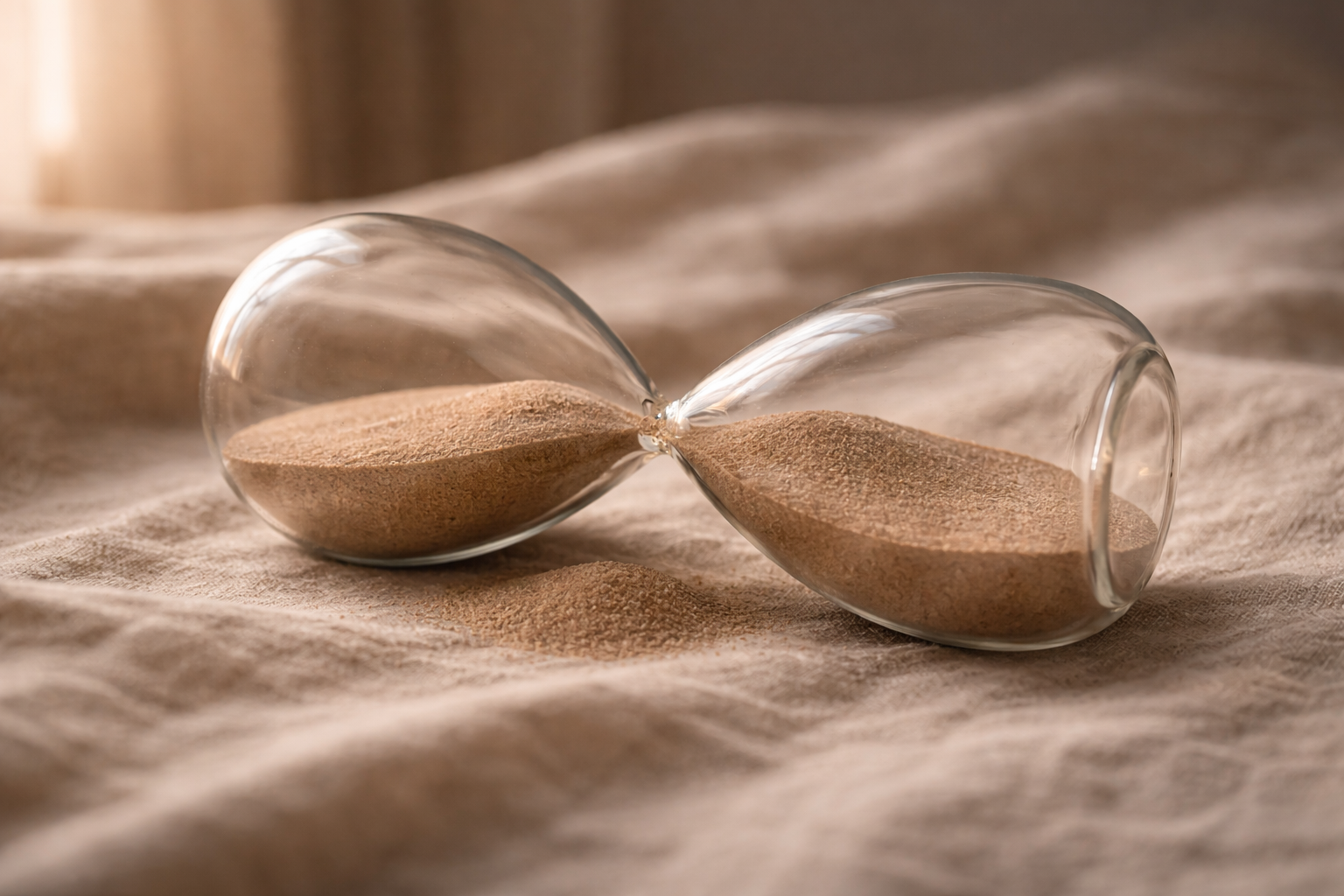
When we are in the middle of emotional pain or a loud internal storm, the first question we usually ask is: How long is this going to take? We want a deadline. We want to know exactly when the relief will arrive so we can stop holding our breath. It is a natural human response, but that demand for a timeline is often the first sign that we have fallen into the urgency trap. This is a state where the self-judge uses the concept of time to keep us feeling behind, rushed, and fundamentally not okay. It turns our growth into a race we are always losing.
The Pressure of the Clock
In the world of personal growth, there is a subtle pressure to "get there" quickly. If you are reading this, you might be wondering how soon you can attain a sense of inner peace. It is understandable. When you are in pain, you are eager to feel better. But the length of your path to peace does not reflect a lack of effort or a deficiency in your character. It simply highlights the individuality of your experience. Personally, I have always been in the slow group when it comes to healing, and I have learned that personal growth isn't a race. In fact, the more we try to speed it up, the more we reinforce the very anxiety we are trying to escape.
If you feel like you are constantly racing against the clock, you might find it helpful to explore my post on overcoming overwhelm. It looks at how we can begin to step out of that frantic pace.
Two Ways of Seeing
To understand why we feel so rushed, it helps to look at the two ways our minds operate. One part of us, the part I call the self-judge, is rooted in a sense of lack and fear. This voice thrives on the idea that we are broken and that the solution is somewhere in the future, just out of reach. It loves to ask unanswerable questions about timelines because those questions keep us focused on what we don't have yet.
The other part of us is our capacity for steadiness. This isn't a belief system or a set of rules. It is an experiential state of being. It is the quiet presence that exists right now, beneath the noise of our worries. While the self-judge is busy measuring how far we have to go, this steadiness is already here, waiting for us to notice it. Most of our mental distress comes from letting the self-judge run the show, believing its stories about how we should be further along than we are.
Peace is an Inside Job
The deceptive thing about the urgency trap is that it makes us look outside of ourselves for a rescue. We wait for a certain date, a specific event, or a change in circumstances to finally feel okay. But true peace of mind does not live on a timeline. It is available in the present moment, not in some distant future. Your healing and your joy are entirely within your reach, right here and right now, but they require a shift in focus.
Making this shift, from seeking external deadlines to recognizing your own power of choice, takes practice. It involves unlearning the habit of rushing and facing the uncomfortable truth that we often contribute to our own suffering by demanding that life move faster than it is. This process can feel unsettling at first, but if you persist, you will discover one of life’s most valuable skills: the ability to choose presence over panic. For a deeper dive into the tools we use to navigate these internal shifts, you can download the shared language pdf on the How I Can Help page.
Practicing the Return
Be patient with yourself as you learn to navigate these internal mechanics. Strengthening your mental resilience is a lot like training a muscle. It requires consistent effort and a willingness to stay with the discomfort. That initial sense of the tightening in your chest when you think about the future is actually a signal. It is an invitation to practice the return, the moment of coming back to your own grounded presence.
Don't lose heart if the progress feels slow. Every time you choose to step out of the rush and into the now, you are unlocking your potential for true freedom. The power to feel better resides within you, waiting for you to stop the clock and simply be where you are. If you want to explore how our culture's obsession with speed impacts our well-being, I recommend Carl Honoré’s talk on the power of slowness.
0 Comments